Your child trembles at the mention of a dental visit. They refuse to open their mouth no matter what you try. This goes beyond typical nervousness. Severe dental anxiety in children is a real, recognized condition that pediatric dentists are specifically trained to address. Understanding what causes this intense response, and how specialists manage it, helps you support your child through the dental care they need. The right pediatric dental team makes all the difference in replacing dread with trust.
What Is Severe Dental Anxiety in Children?
Severe dental anxiety in children is an intense, often overwhelming response that prevents cooperation during dental visits. It goes far beyond the mild nervousness many children experience when facing something unfamiliar. It affects children of any age and frequently leads families to delay or avoid dental care altogether, which creates bigger concerns down the road.
Not all dental nervousness looks the same. Mild nervousness shows up as hesitation or quiet worry that fades once the visit begins. Moderate anxiety involves visible distress that requires extra reassurance and patience but is still manageable with gentle guidance. Severe dental phobia, however, creates overwhelming distress that triggers fight-or-flight responses, making productive dental visits extremely difficult without specialized intervention.
Several factors contribute to severe dental anxiety in children. Previous negative experiences top the list. A difficult procedure, an unsympathetic provider, or even a story from a sibling creates lasting associations between dentistry and distress. Anticipation of discomfort remains a powerful driver, even when modern pediatric dentistry prioritizes comfort. Some children with sensory sensitivities struggle with the sounds of dental equipment, bright lights, or unfamiliar textures in their mouths.
Parental anxiety transfers to children, too. Children are remarkably perceptive. If you feel tense about dental visits, they pick up on those cues and mirror your emotions. That response is completely normal.
Recognizing severe anxiety helps you seek appropriate support. Watch for these signs:
- Uncontrollable crying that begins before even entering the treatment room
- Tantrums or meltdowns that seem disproportionate to the situation
- Complete refusal to open their mouth or sit in the dental chair
- Physical symptoms like nausea, stomachaches, or trembling
- Sleep disturbances or increased anxiety in the days leading up to visits
- Attempts to physically escape or hide
Research suggests dental anxiety is common among children, affecting a significant number of young families. This prevalence means pediatric dental teams have developed deep expertise in helping nervous young children receive the care they need. Board-certified pediatric dentists specialize in exactly this kind of support.
How Pediatric Dentists Manage Severe Dental Anxiety: Techniques and Approaches
Pediatric dentists complete additional years of specialized training focused on child development, behavior management, and creating positive dental experiences. This expertise gives them a toolkit of approaches designed to help even the most nervous children feel more comfortable. Board-certified pediatric dentists bring both clinical skill and genuine warmth to every interaction with families.
What Is the Tell-Show-Do Technique?
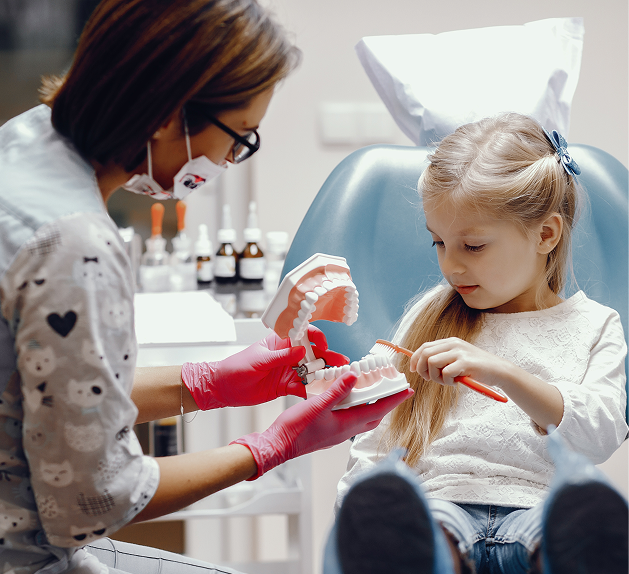
One of the most fundamental approaches is the tell-show-do technique. Rather than surprising a child with unfamiliar instruments or sensations, the dental team explains everything in age-appropriate language first. They say something like, “This little mirror helps me count your teeth.” Then they show the child the mirror, letting them hold it or see their reflection. Only after the child understands what to expect does the actual examination begin.
This method removes the element of surprise that triggers anxiety. Children feel more in control when they know what’s happening and why, and that sense of control shifts the entire visit.
How Do Distraction Methods Help Nervous Children?
Distraction works well for many children. Modern pediatric dental practices feature tools like:
- Watching a favorite show on a ceiling-mounted TV or tablet
- Headphones with music or audiobooks
- Some practices even offer virtual reality headsets that transport children to calming environments
- Guided imagery, where team members help children picture peaceful scenes
- Fidget toys or a comfort object to hold during the visit
These distractions redirect attention away from dental care and toward something enjoyable. For many families, this simple shift makes a noticeable difference.
What Is Desensitization Through Graduated Exposure?
For children with severe anxiety, jumping straight into treatment rarely works. Instead, pediatric dentists recommend desensitization through graduated exposure. This looks like:
- The first visit is just about meeting the team and exploring the practice
- Next time, they sit in the chair and watch demonstrations
- On the third visit, the dentist counts their teeth without any instruments
- From there, the team gradually progresses toward actual cleanings and treatment
These “happy visits” build familiarity and positive associations before any clinical care begins. The process takes patience, but it creates lasting comfort. Many families find that three or four short visits completely change how their child feels about the dental home.
How Does Positive Reinforcement Build Trust?
Positive reinforcement and genuine praise build trust over time. When a child opens their mouth even briefly, that cooperation deserves recognition. Small rewards, verbal encouragement, and celebration of progress motivate children to keep trying. Each positive experience replaces an anxious association. Over weeks and months, the shift is remarkable.
What Sedation Options Are Available for Children?
When behavioral techniques alone aren’t enough, pediatric dentists offer sedation options appropriate to each child’s needs.
The mildest option, nitrous oxide (sometimes called laughing gas), provides gentle relaxation while the child remains fully conscious and responsive. It takes effect within minutes and wears off quickly after the mask is removed. Most children return to normal activities right away, which parents appreciate.
Oral sedation involves medication taken before the visit that creates a drowsy, relaxed state. The child remains conscious but typically won’t remember much of the visit afterward. This option works well for longer procedures or children with higher anxiety levels.
General anesthesia is reserved for the most severe cases, very young children who cannot cooperate for necessary treatment, or situations requiring significant dental care in a single session. At this level, the child sleeps through the entire procedure. It requires specialized monitoring, either in a hospital setting or a surgical center with trained anesthesia professionals. Pediatric dentists don’t recommend this option lightly, and they discuss it thoroughly with families before moving forward.
Why Do Child-Friendly Environments Matter?
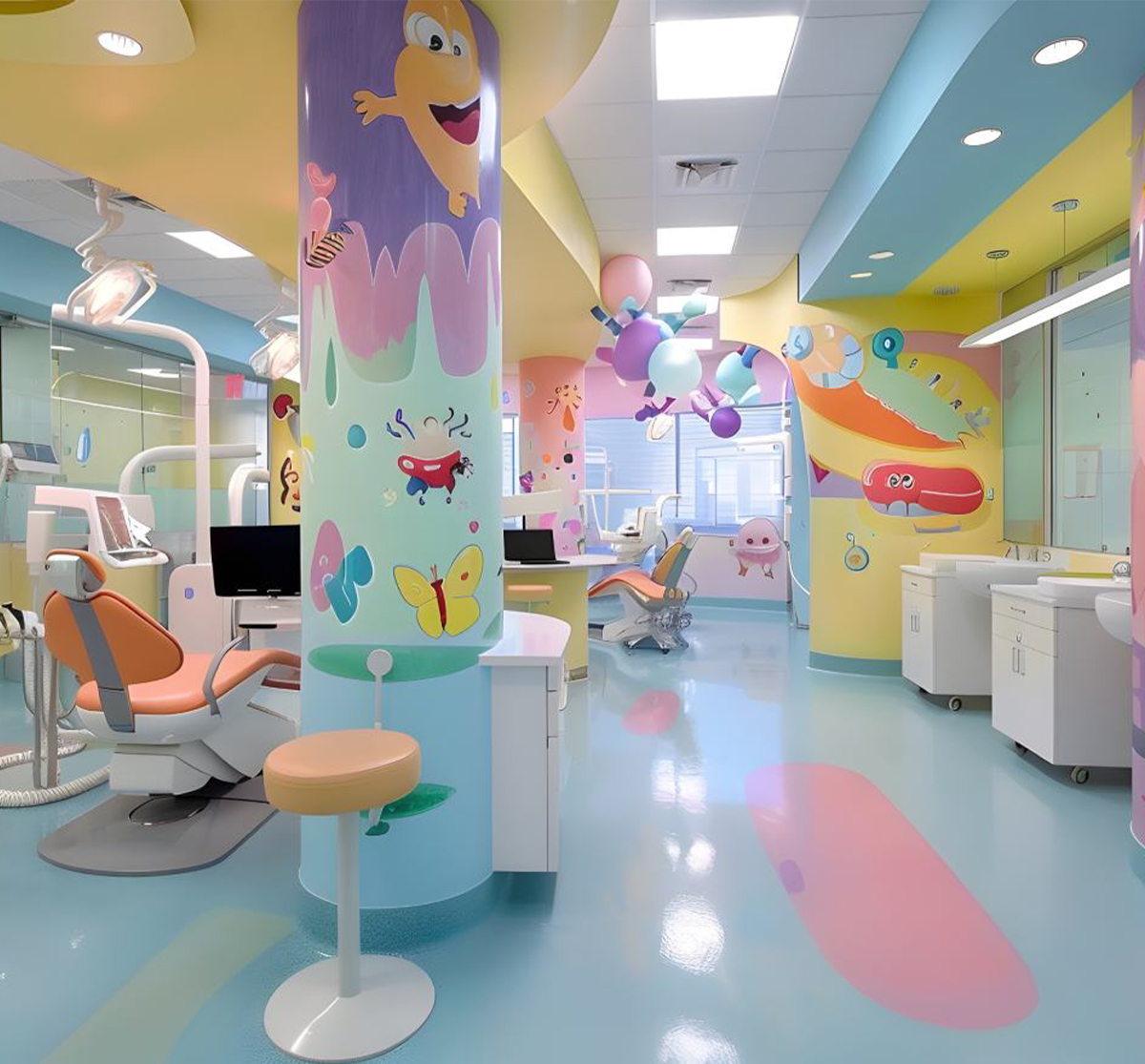
The physical environment matters more than many people realize. Pediatric dental practices intentionally create spaces that feel welcoming rather than clinical. Colorful decor, play areas in waiting rooms, and team members who genuinely enjoy working with children all contribute to a less intimidating experience. Everything is designed with children in mind, from how care is explained to how nervous smiles feel at ease.
Benefits of Specialized Anxiety Management for Children
Addressing dental anxiety early creates benefits that go well beyond a single visit. When children receive proper support for their anxieties, the positive effects show up across their entire relationship with dental care.
How Does Early Anxiety Management Prevent Care Avoidance?
Untreated dental anxiety leads families to skip or delay visits. Unfortunately, this avoidance allows small concerns to become larger ones. Cavities that could have been addressed simply progress to infections requiring more involved treatment. By helping nervous children receive regular care, pediatric dentists prevent this cascade of complications.
Consistent visits also mean the dental team gets to know your child personally. That relationship builds over time, and it makes each visit easier than the last. A familiar face and a trusted voice go a long way for a nervous child.
Do Positive Early Experiences Shape Long-Term Oral Health?
The short answer is yes. Children who have supportive dental experiences build positive associations that carry into adulthood. Adults with severe dental phobia trace their anxieties back to negative childhood experiences more often than not. Breaking this cycle means your child is more likely to maintain good oral health throughout their life. That’s a gift that keeps giving.
When children tolerate routine visits, concerns get caught early. Early detection means simpler solutions. A small cavity addressed promptly requires less intervention than one that’s been growing for months because a child couldn’t tolerate dental visits. Better cooperation also allows dental teams to provide more thorough care. When a child sits relatively still and follows instructions, cleanings are more complete, examinations are more accurate, and any necessary treatment is more precise.
How Does Managing Anxiety Benefit the Whole Family?
Dental anxiety affects the whole family, not just the child in the chair. Parents feel their child’s distress deeply. Siblings pick up on the tension. The stress of a difficult dental visit lingers long after you leave the parking lot.
When anxiety is managed effectively, visits become calmer experiences for everyone involved. Parents feel confident knowing their child is supported with gentle, thoughtful care. Siblings see a positive example instead of a stressful one. The ripple effect of one child’s comfort reaches the entire household.
Comparing Anxiety Management Options: Behavioral Techniques vs. Sedation
Choosing the right approach depends on several factors. Understanding the options helps you have productive conversations with your pediatric dentist.
| Approach | Best For | Consciousness Level | Recovery Time | Considerations |
|---|---|---|---|---|
| Behavioral techniques (tell-show-do, distraction, positive reinforcement) | Mild to moderate anxiety; building long-term coping skills | Fully alert | None needed | First-line approach; no additional cost |
| Nitrous oxide | Moderate anxiety; children who need mild relaxation | Conscious and responsive | Minutes | Fast-acting; child returns to normal activities immediately |
| Oral sedation | Higher anxiety levels; longer procedures | Drowsy but conscious | Several hours | Child typically won’t remember the visit; requires monitoring |
| General anesthesia | Severe phobia; very young children; significant treatment needs | Asleep | Hours to full day | Requires specialized facility and monitoring; highest level of intervention |
Behavioral techniques serve as the foundation, and for good reason. These approaches teach children coping skills they use throughout life. For many children with mild to moderate anxiety, tell-show-do, distraction, and positive reinforcement create successful visits without any additional intervention.
What about children who need a little more help? Nitrous oxide adds a layer of relaxation on top of those behavioral strategies. The child breathes the gas through a small mask, feels calm and perhaps a bit giggly, and returns to normal within minutes after the gas is turned off. No extended recovery. Parents with busy schedules appreciate the simplicity.
Oral sedation and general anesthesia serve different ends of the spectrum. With oral sedation, the child stays technically conscious but relaxed enough for treatment, though the effects last longer and require supervision for several hours afterward. General anesthesia represents the most intensive option and is reserved for specific situations. Board-certified pediatric dentists recommend it when other approaches haven’t worked, when a child is too young to cooperate for necessary treatment, or when significant dental care needs to happen in a single session.
Every child is different. Pediatric dentists evaluate age, anxiety level, the type of procedure needed, medical history, and family preferences before recommending a specific level of support. A child who needs sedation for their first few visits may eventually transition to behavioral techniques alone as positive experiences build confidence.
Cost Factors for Pediatric Dental Anxiety Management
The cost of pediatric dental anxiety management ranges from no additional charge for behavioral techniques to significant fees for general anesthesia, depending on the level of sedation required. Understanding these cost ranges helps families plan appropriately.
Behavioral techniques are simply part of how pediatric dental teams operate. Tell-show-do, distraction, positive reinforcement, and creating a welcoming environment are woven into every visit. You won’t see a separate line item for these approaches. They’re standard practice.
Nitrous oxide usually adds a modest fee per visit, depending on how long it’s needed. Some practices charge a flat fee while others calculate based on duration. Ask your dental team for specifics, as pricing varies by practice and region.
Oral sedation costs vary more widely based on the specific medication used and the monitoring requirements involved. Some medications cost more than others, and the additional team time needed to monitor a sedated child factors into pricing. Your dental team will walk through these details before scheduling any sedation visit.
General anesthesia is the most expensive option. Beyond the dental treatment itself, families pay for the anesthesia provider, the facility (whether a hospital or surgical center), and the extended monitoring required. These costs add up. It’s worth asking about a detailed estimate before committing to this route.
The good news is that many dental insurance plans cover sedation when it’s deemed medically necessary. If your child has documented severe anxiety, sensory processing challenges, or other conditions that make sedation appropriate, your insurance may help with costs. Contact your insurance provider before scheduling sedation visits to verify coverage, and ask the dental team for any documentation or pre-authorization codes your insurer requires.
Some practices also offer payment plans or work with families to make necessary care accessible. It’s always worth asking about options if cost is a concern. Most pediatric dental practices are happy to walk through financial details before any treatment begins.
Is Your Child a Candidate for Anxiety Management at the Dentist?
Wondering whether your child needs specialized anxiety support? Several indicators suggest a child would benefit from the techniques and approaches pediatric dentists offer.
Signs your child needs anxiety management:
- Crying uncontrollably at dental visits despite reassurance
- Refusing to sit in the dental chair or enter the treatment room
- Becoming physically combative when dental care is attempted
- Experiencing anxiety symptoms (stomach aches, sleep troubles) in the days before visits
- Having a history of difficult dental or medical experiences
- Being very young (under age 4) and unable to cooperate for necessary treatment
What about children with special considerations? Those with sensory processing disorders struggle with the sounds, lights, and textures of dental environments. Children on the autism spectrum benefit from modified communication styles, visual schedules, or sensory accommodations. Kids with developmental delays require extra patience and adapted techniques. Pediatric dental teams are trained to work with all of these situations.
Previous experiences matter significantly, too. A child who went through a difficult procedure, felt unheard by a provider, or witnessed a parent’s dental distress carries those experiences into future visits. Acknowledging this history helps the dental team approach your child with appropriate sensitivity.
The pediatric dentist evaluates each child individually. During an initial consultation, they observe how the child responds to the environment, ask about past experiences, and discuss what has or hasn’t worked before. Based on this assessment, they recommend the right level of support.
You know your child best. If dental visits have been a struggle, seeking care from a pediatric dentist with expertise in anxiety management makes a real difference. Every child deserves dental care that feels safe and supportive, and the right team helps make that happen.
Frequently Asked Questions About Kids and Dental Anxiety
At what age can a child receive sedation at the dentist?
Nitrous oxide is used safely on children as young as 2 to 3 years old when proper monitoring protocols are in place. The child needs to breathe through their nose and tolerate the small mask. Oral sedation and general anesthesia have their own age considerations based on the child’s size, health status, and the specific medications involved. The pediatric dentist evaluates each child individually to determine what’s safe and appropriate.
Is dental sedation safe for children?
When administered by board-certified pediatric dentists following proper protocols, dental sedation is considered safe and well-established in pediatric dentistry. Before any sedation, the team reviews your child’s medical history, current medications, and any conditions that affect sedation safety. During the procedure, vital signs are monitored continuously. Pediatric dentists complete specialized training in both sedation techniques and emergency management.
How can I prepare my nervous child for a dental visit?
Preparation starts with your own attitude. Use positive, neutral language when discussing dental visits, and avoid sharing your own negative dental experiences. Reading age-appropriate books about going to the dentist helps reduce unfamiliarity. Role-playing at home, where you “count” teeth with a toothbrush, normalizes the experience. On the day of the visit, keep the mood calm and matter-of-fact. Arriving a few minutes early allows the child to get used to the environment without feeling rushed.
Will my child outgrow dental anxiety?
Many children do outgrow dental anxiety, especially when they have consistently positive experiences. Each comfortable visit builds on the last, gradually replacing nervous associations with neutral or positive ones. However, untreated severe anxiety persists into adulthood and even intensifies over time. Early support matters. Children who receive appropriate support learn coping skills and develop confidence that serves them throughout life.
What if behavioral techniques don’t work for my child?
When behavioral techniques alone aren’t sufficient, pediatric dentists move to sedation options suited to the child’s specific needs. This isn’t a failure. Some children simply need more support, whether due to the severity of their anxiety, sensory differences, past experiences, or other factors. A good pediatric dentist works with you to find the right approach, adjusting the plan as needed. The goal is always to help your child receive necessary care in the most comfortable way possible.
If dental visits have been a struggle, you’re not alone, and you’re not out of options. Pediatric dentists who specialize in anxiety management have the training, tools, and patience to help even the most nervous young children build a positive relationship with dental care.