
What Is a Pediatric Dentist?
The difference between a pediatric dentist and a regular dentist comes down to specialized training and patient focus. A pediatric dentist completes 2-3 additional years of residency after dental school to care exclusively for infants, children, and teens. A regular (general) dentist treats families of all ages but does not require this extra pediatric training.
At Fairhope Children’s Dentistry, our team focuses only on children, which means every part of our practice is built around younger smiles. Pediatric dentists study how tiny teeth erupt, how jaws grow, and how bite patterns shift as children develop. That focus lets us spot small concerns early and support healthy habits from the very first tooth through the teen years.
General dentists provide excellent care for adults and are often a family’s long-term dental home once children reach adulthood. But during the years when a child’s mouth is changing quickly, a specialist offers training and experience matched to those stages of growth.
How Pediatric and General Dentists Are Trained
Both pediatric and general dentists share the same foundation, but their paths split after dental school. Understanding the training helps explain why a specialist may be the right fit for young children.
The way each path is structured looks like this:
- Undergraduate degree. Both complete four years of college, usually with a science focus.
- Dental school. Both earn either a DDS or DMD degree after four years of clinical training. These degrees are equivalent, and each of our doctors, Dr. Elizabeth Clay (DDS), Dr. Katherine Rodriguez-Feo (DMD), and Dr. Kelly Jones (DMD), completed this step.
- Pediatric residency. Pediatric dentists add 2-3 years of hospital-based residency focused entirely on children. General dentists do not complete this residency.
- Specialized coursework. Pediatric residency covers child psychology, behavior guidance, growth and development, sedation dentistry for young children, and treating children with special healthcare needs.
- Board certification. Pediatric dentists can pursue board certification through the American Board of Pediatric Dentistry, which requires additional written and clinical exams. Dr. Katherine Rodriguez-Feo is a Board Certified Pediatric Dentist.
That extra residency is what gives pediatric dentists their skill set. They learn how to communicate with a nervous three-year-old, guide behavior during a first visit, and recognize how a lost baby tooth might affect the permanent tooth waiting underneath. For families throughout Fairhope, that specialized preparation makes a real difference when a child is still growing.
Benefits of Choosing a Pediatric Dentist for Your Child
Choosing a pediatric dentist gives your child a welcoming, kid-focused environment, a team trained in gentle behavior guidance, and close monitoring of growth and development. These three advantages, paired with a strong prevention focus, help children feel safe during visits and build healthy habits that last well into adulthood.
What makes a pediatric dental office different for children?
A pediatric dental home is built around young families from the moment you walk in. The environment, the training, and the pace of care all center on children rather than adults.
Families in Fairhope often notice these benefits right away:
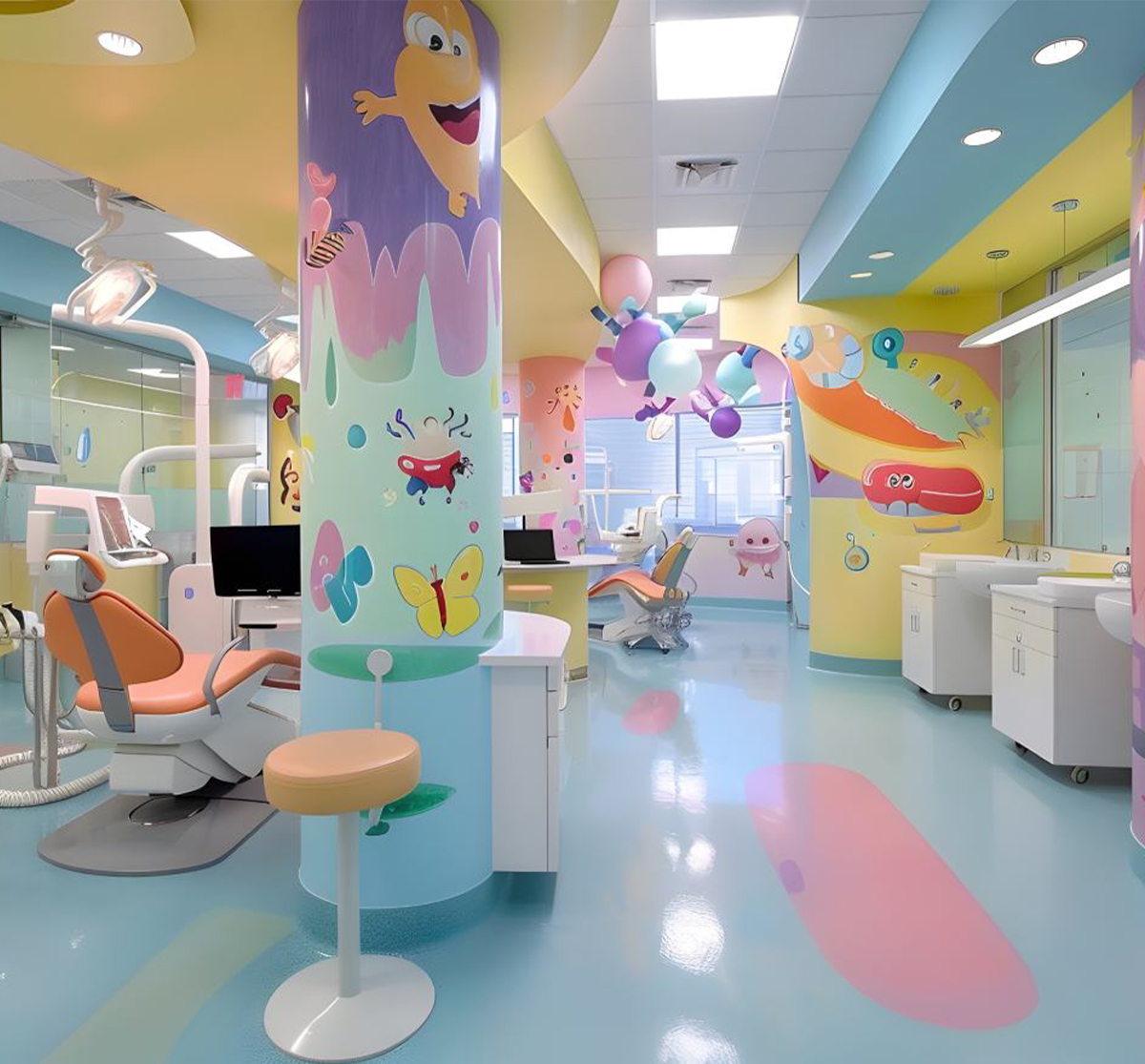
- Child-friendly offices. Everything from the waiting area to the treatment rooms is designed to feel welcoming, not clinical, which helps reduce anxiety before a visit even begins.
- Behavior guidance techniques. Our team uses tell-show-do methods, distraction strategies, and gentle language to help children feel safe and in control.
- Growth and development expertise. Pediatric dentists monitor spacing, bite alignment, and jaw growth at every visit, catching small issues before they become larger ones.
How do pediatric dentists help nervous children?
Children who feel nervous often respond best to a team that knows how to move at their pace. That patience is a large part of what sets a specialist apart.
- Experience with special needs. Children who need extra time, sensory accommodations, or a slower pace receive care from a team trained for those situations.
- Prevention-focused care. Every visit reinforces healthy habits, from brushing techniques to nutrition guidance, so children build routines that carry into adulthood.
This kid-first, comfort-forward approach is what makes a specialist different. Our team is trained to be the people children remember, in the best possible way, and Fairhope families tell us that comfort matters most.
Pediatric Dentist vs. Regular Dentist: Side-by-Side Comparison
Sometimes the clearest way to see the difference between a pediatric dentist and a regular dentist is to compare them directly. Here’s how the two options line up.
| Feature | Pediatric Dentist | General Dentist |
|---|---|---|
| Ages served | Infants, children, and teens | All ages |
| Training after dental school | 2-3 years of pediatric residency | No pediatric residency required |
| Board certification option | American Board of Pediatric Dentistry | No specialty board required |
| Office environment | Designed for children | General-purpose for all ages |
| Specialized services | Space maintainers, silver diamine fluoride (SDF), child sedation, growth monitoring | Fillings, crowns, cleanings for all ages |
| Behavior guidance | Extensive training in child psychology and coping techniques | Limited pediatric behavior training |
| Focus | Growth, development, and prevention in children | Wide range of adult and family services |
Both types of dentists play important roles. A pediatric specialist is the right fit while children are still growing, and a general dentist often takes over care once teens transition into adulthood.
Cost Factors: Does a Pediatric Dentist Cost More?
Pediatric dental visits are often comparable in cost to general dentist visits, especially for routine preventive care. Most dental insurance plans cover children’s cleanings, exams, and X-rays at similar rates whether the dentist is a specialist or general practitioner. Specialized services may add cost, but the preventive focus often lowers long-term expenses.
A few cost factors are worth keeping in mind:
- Preventive visits. Cleanings, exams, and fluoride treatments are typically covered by dental insurance at high percentages for children.
- Specialized services. Sedation dentistry, space maintainers, or silver diamine fluoride may carry additional fees depending on the situation.
- Long-term savings. Prevention driven visits that build healthy habits can reduce the need for larger restorative care later, which often saves families money over time.
- Insurance verification. Coverage varies by plan, so we recommend contacting your insurance provider to confirm what’s covered before your child’s visit.
Our team is happy to review benefits with families and explain costs before any care is scheduled, so there are no surprises for parents in Fairhope.
When Should Your Child See a Pediatric Dentist?
Knowing when to schedule that first visit helps set your child up for a lifetime of healthy smiles. The American Academy of Pediatric Dentistry recommends a first visit by age 1 or within six months of the first tooth erupting, whichever comes first.
A pediatric dentist is a good fit in these situations:
- First tooth or first birthday. Early visits help establish a dental home and give parents guidance on brushing, nutrition, and teething.
- Dental anxiety. Children who feel nervous benefit from a team trained in gentle behavior guidance and calming techniques.
- Special healthcare needs. Pediatric dentists receive specific training in caring for children with medical, developmental, or sensory differences.
- Behavior guidance needs. Younger children who need more support during visits do well with specialists who know how to make care feel positive.
- Developmental or bite concerns. Pediatric dentists monitor jaw growth, spacing, and eruption patterns closely and can refer for orthodontic evaluation when the time is right.
Most children continue seeing a pediatric dentist through the teen years, then transition to a general dentist as they approach adulthood. Our team is glad to help local families plan that step when the time comes.
Frequently Asked Questions
Can a regular dentist treat children?
Yes, general dentists are qualified to treat children and often do, especially in family practices. However, pediatric specialists complete 2-3 additional years of residency focused entirely on children, which gives them deeper training in behavior guidance, growth monitoring, and care for younger patients. For very young children or children with dental anxiety, a specialist is often the more comfortable choice.
How can you tell if a dentist is a pediatric specialist?
Look for the credentials listed after their name and on their practice website. Pediatric dentists complete a residency accredited by the Commission on Dental Accreditation, and many pursue board certification through the American Board of Pediatric Dentistry. Board certified pediatric dentists have passed additional written and clinical exams that verify their expertise, such as Dr. Katherine Rodriguez-Feo at our practice.
At what age should children switch to a general dentist?
Most children transition to a general dentist in their late teens, usually between ages 17 and 21. The exact timing depends on your child’s development, dental history, and comfort level. Our team helps families plan this transition thoughtfully so care continues without interruption.
Are pediatric dentists worth it?
For young children, anxious patients, or children with special healthcare needs, a pediatric specialist is often well worth the visit. The training, environment, and pace of care are built around helping children feel safe and building positive associations with dental visits, which can shape their oral health for life. If you’re weighing this choice for your child, our doctors focus exclusively on children and teens, offering care that grows with them from the first tooth through the teen years. Happy visits. Healthy smiles.
Do pediatric dentists take insurance?
Most pediatric practices accept common dental insurance plans, and preventive care for children is typically well covered. We recommend contacting our team or your insurance provider directly to verify specific coverage before your child’s first visit.