Almost every parent asks the same question when we recommend a crown on a baby tooth: it is going to fall out anyway, so why put a crown on it? It is a fair question, and the answer is usually about time. A baby molar can be in your child’s mouth until age ten or eleven, and it has to chew, hold space, and stay comfortable for all of those years.
A crown is what we use when a tooth has lost too much structure for a filling to hold. It covers the tooth completely instead of patching one surface, which is why it lasts where a large filling would keep breaking.
When a Filling Is Enough and When It Is Not
A filling replaces the part of the tooth that decay destroyed. That works beautifully when the cavity is small and the walls of the tooth are still strong. Once decay reaches two or three surfaces, or undermines a cusp, there is not enough solid tooth left to grip a filling, and the restoration starts to flex every time your child bites down.
We generally recommend a crown when:
- Decay involves multiple surfaces of a back tooth
- A large portion of the biting surface has broken away
- The tooth has had a pulpotomy (a baby-tooth root canal) and needs full coverage afterward
- Enamel formed incorrectly, so the tooth is soft and chips easily
- A previous filling has failed more than once
If you want the fuller picture of how we treat decay at different ages, our guide to how cavities are treated in young children walks through the whole range, from fluoride to fillings to crowns.
Why We Do Not Simply Pull the Tooth
Removing a badly decayed baby molar sounds simpler, and sometimes it is the right answer. But a baby tooth is also a placeholder. It holds the gap that a permanent tooth is aiming for, and it helps guide that tooth into position years later. Take the placeholder out early and neighboring teeth drift into the space, which is how crowding and impacted permanent teeth begin.
That is why, when a tooth can be saved, we save it. When it truly cannot, we talk with you about a pediatric extraction and, in most cases, a space maintainer to protect the gap until the permanent tooth arrives.
The Types of Crowns We Use
Not every crown looks the same, and the choice depends on where the tooth sits and how much force it takes.
- Stainless steel crowns for back molars. They are silver, extremely durable, and placed in one visit. Because they are hidden at the back of the mouth, most children never think about how they look.
- Tooth-colored zirconia crowns for front teeth and for families who prefer no visible metal. They are strong and esthetic, though they require a bit more tooth reduction.
- Strip crowns for front baby teeth with moderate damage, built up in composite in a clear form.
We will show you the options on the day of the visit and tell you plainly which one we would choose for your child, and why.
What the Appointment Actually Looks Like
Here is the honest sequence, because knowing it in advance takes most of the worry out of the day.
We numb the area first and let it take full effect before anything else begins. Most children get a topical gel, then local anesthetic. If your child is very young or very anxious, we may add nitrous oxide, or discuss sedation options so the visit is calm rather than something to endure.
Then we remove the decay, shape the tooth, fit the crown, and cement it. A single crown usually takes thirty to forty-five minutes from start to finish. Your child leaves with a numb lip, which is the part they will notice most, so we always warn against chewing that cheek until sensation returns.
Soreness afterward is mild and typically fades within a day. Softer foods that evening, and normal brushing the next morning.
How Long a Pediatric Crown Lasts
A well-placed stainless steel crown routinely lasts until the tooth is lost naturally, which is exactly the goal. Zirconia crowns on front teeth also hold up well, though they can chip under heavy grinding.
Two habits protect them: brushing the gumline around the crown, because decay can still start in the tooth structure just beneath the edge, and keeping regular exams and cleanings so we can spot a loosening crown before it comes off at an inconvenient moment. If a crown ever does come loose, save it and call us. It can often be recemented.
Talk It Through With Us
If we have recommended a crown and you are still unsure, ask. We would rather spend ten extra minutes explaining a treatment than have you leave with questions.
You can read more about the procedure on our dental crowns for kids page, or contact our Fairhope office to schedule a visit. We also see families from Daphne, Spanish Fort, and the surrounding communities.
What Happens If You Wait
Deferring a recommended crown is a decision with a predictable arc. Decay does not pause. It advances through dentin toward the pulp, and the tooth moves from restorable to needing a pulpotomy, and eventually to needing removal.
The other cost is comfort. A tooth with deep decay usually starts hurting with cold and sweets, then hurts spontaneously, often at night. Children rarely describe it clearly. What parents notice is a child who chews on one side, refuses cold drinks, or wakes up unhappy for reasons nobody can pin down.
If cost or scheduling is the reason for waiting, tell us. There is almost always a way to sequence treatment so the most urgent tooth is handled first, and our team can walk you through payment options before you commit to anything.
Common Questions Parents Ask
Will the crown look obvious? On back molars, a silver crown is visible only if your child opens wide and someone looks. Front teeth get tooth-colored restorations.
Does my child need to be sedated? Usually not. Most children do well with local anesthetic, sometimes with nitrous oxide. Sedation is for very young children, extensive treatment, or genuine distress.
Can the tooth still get a cavity? Yes, at the margin where the crown meets the tooth. Brushing that gumline is the whole ballgame.
Will it hurt afterward? Mild soreness in the gum for a day. Over-the-counter pain relief at the dose we recommend covers it.
What if it falls off? Keep it, avoid chewing on that side, and call. Recementing is a short visit.
How We Keep the Visit Calm
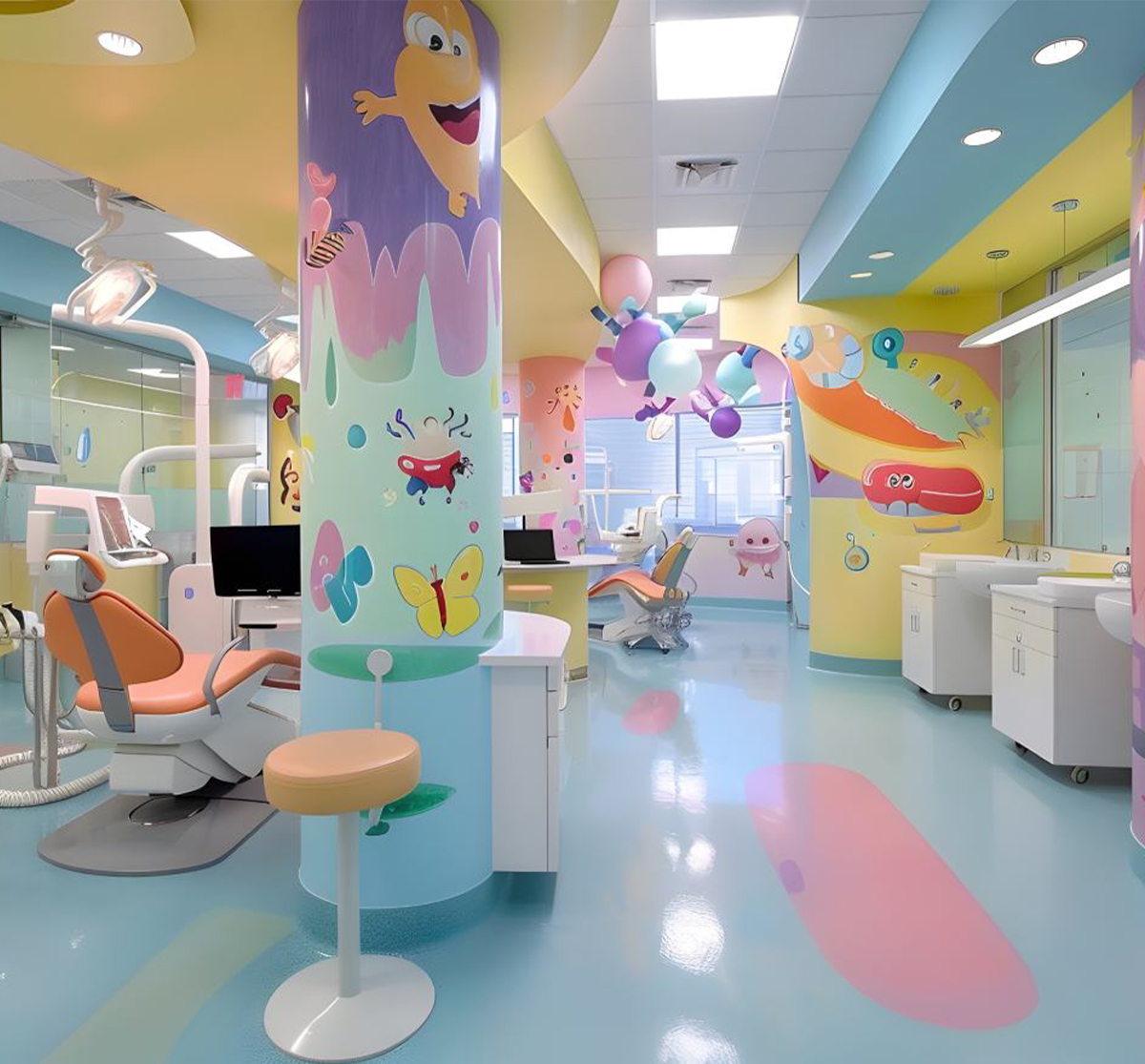
Our whole team is trained specifically for children, which shows up in small things: telling your child what a tool does before it appears, working in short intervals, letting them hold a mirror if they want to watch. We explain, we do not surprise.
If your child has had a hard dental experience before, tell us when you book. We will build extra time into the appointment and slow the pace down, which is usually all that is needed.