What Is a Toddler’s First Dental Visit?
A toddler’s first dental visit is a gentle introduction to oral care, designed specifically for children between ages one and three. This short visit focuses on examining your child’s developing mouth, answering your questions, and helping your little one feel comfortable in a dental setting.
The American Dental Association and American Academy of Pediatric Dentistry recommend scheduling this first visit by your child’s first birthday or within six months of their first tooth appearing, whichever comes first. Think of it as a “meet and greet” rather than a traditional dental cleaning. Most first visits last about 20 to 30 minutes, giving your child time to explore the new environment without feeling rushed or overwhelmed. This early introduction helps shape how your child feels about dental care going forward, building familiarity before any treatment is ever needed.
Starting early helps children view dental care as a normal, comfortable part of life. Children who grow up visiting the dentist regularly from a young age are far less likely to develop anxiety about dental visits later. That’s one reason pediatric dental teams encourage families to get on the calendar before a child’s first birthday.
What to Expect at Your Toddler’s First Dental Visit with a Pediatric Dentist
Walking into a pediatric dental home for the first time can feel unfamiliar for both you and your toddler. A typical first visit includes five steps: a warm welcome, lap-based positioning, a gentle oral exam, optional cleaning with fluoride, and parent education.
What Happens When You First Arrive?
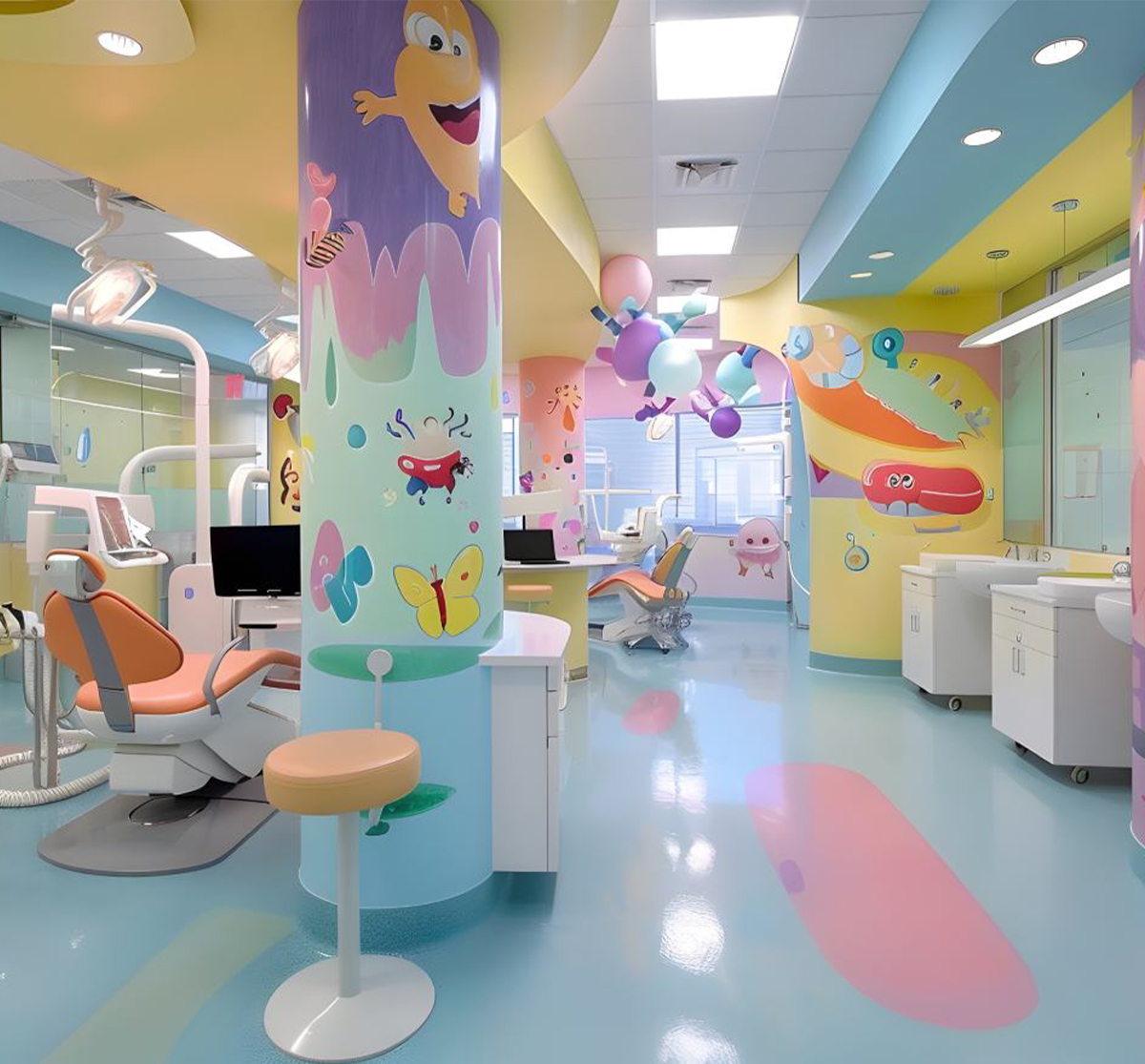
Your visit begins in a child-friendly waiting area designed to put little ones at ease. Bright colors, age-appropriate toys, and a welcoming atmosphere make it feel nothing like a traditional medical office. The team greets families warmly and gives your toddler time to adjust before anything else happens.
The Lap-Based Exam Position
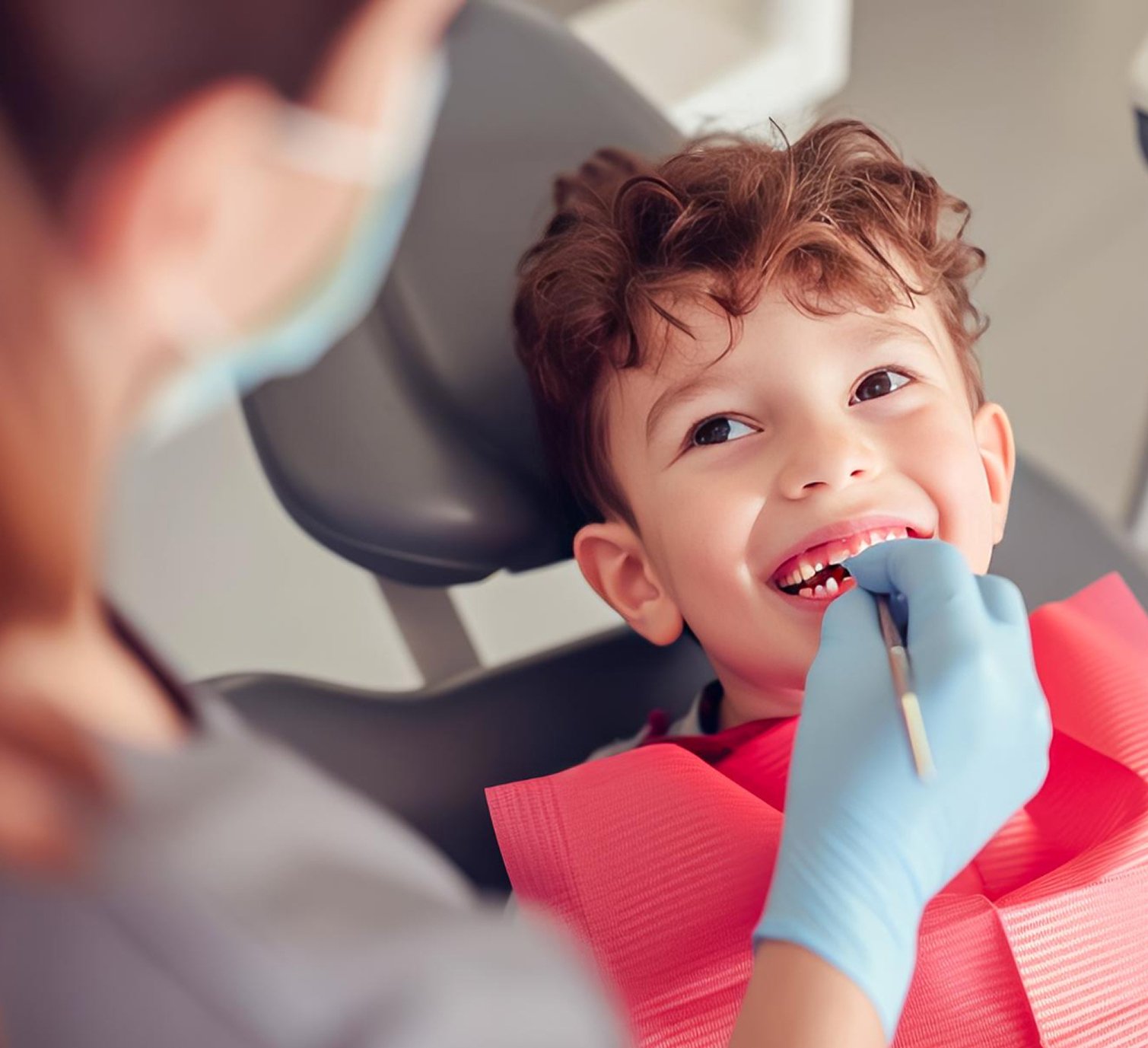
When it’s time for the exam, your toddler will sit on your lap while you sit in the dental chair. This position, sometimes called “knee-to-knee,” helps your child feel secure while giving the dentist a clear view of their mouth. Some toddlers prefer to sit in the chair on their own, and that’s perfectly fine too.
What Does the Dentist Look For?
The dentist examines your child’s teeth, gums, jaw, and bite. They check how teeth are coming in, look for early signs of decay, and evaluate overall oral development. It’s quick. Nothing about this step should frighten your child.
Cleaning and Fluoride Treatment
Depending on your toddler’s age and cooperation level, the dentist does a gentle cleaning to remove any soft buildup on the teeth. A fluoride treatment is often applied to strengthen developing enamel, and both steps are quick and comfortable. Your child stays right on your lap the whole time, so there’s no separation to worry about.
Parent Education and At-Home Guidance
This is your time to learn, and it’s one of the most valuable parts of the visit. The dentist discusses proper brushing techniques for tiny teeth, nutrition tips that support oral health, and how to handle common habits like thumb-sucking or pacifier use. You’ll leave with practical guidance based on what your child actually needs. For example, if your toddler still uses a bottle at bedtime, the dentist will walk you through why that matters for their teeth and what to try instead.
Why Your Toddler’s First Dental Visit Matters
A toddler’s first dental visit matters because it allows early detection of decay, builds trust with dental care providers, and protects baby teeth that are essential for speech and jaw development. These benefits go well past checking for cavities.
Early Detection Makes a Difference
A pediatric dentist can spot concerns before they become bigger issues. Conditions like tongue-tie, early childhood cavities, or developmental irregularities are much easier to address when caught early. Tooth decay remains one of the most common chronic childhood diseases, making early prevention essential.
A Positive First Experience Builds Trust
When your child’s first dental experience is positive and low-pressure, they learn that the dental home is a friendly place. That trust really matters if treatment is ever needed down the road. The guidance you receive is specific to your child’s mouth, diet, and habits, not generic advice you could find anywhere.
Baby Teeth Are More Than Placeholders
Baby teeth are essential for proper chewing, clear speech development, and guiding permanent teeth into correct positions. Keeping them healthy supports your child’s overall development in ways that reach well past their smile.
Pediatric Dentist vs. General Dentist for Your Toddler’s First Visit
You might wonder whether your family dentist can handle your toddler’s first visit. While general dentists provide excellent care for adults and older children, pediatric dentists bring specialized training that makes a real difference for the youngest patients.
| Factor | Pediatric Dentist | General Dentist |
|---|---|---|
| Training | 2-3 additional years focused on infants, children, and adolescents | General training covering all ages |
| Office Environment | Designed for children with child-sized equipment | Designed for adult patients |
| Behavior Management | Specialized techniques for toddlers | Limited child-specific training |
| Developmental Focus | Monitors jaw development and emerging teeth | Less focus on pediatric markers |
| Sedation Options | Trained in child-appropriate sedation | Often refers out for pediatric sedation |
Pediatric dentists complete rigorous additional training to understand how children’s mouths grow and change. That means your toddler receives care from a team that works with young children every single day, using techniques and tools built around their specific needs.
How Much Does a Toddler’s First Dental Visit Cost?
Costs vary by practice and location, but many families can expect to pay between $50 and $200 for a toddler’s first dental visit, depending on whether the visit includes cleaning, fluoride, or X-rays. A basic exam and first visit falls on the lower end, while visits that include cleaning, fluoride treatment, or X-rays cost more.
The good news? Many dental insurance plans cover preventive visits for children at little or no cost to families. Fluoride applications and X-rays (if needed) are sometimes billed separately, so it’s worth checking your specific coverage before the visit. Most pediatric practices encourage families to verify their coverage ahead of time so there are no surprises.
If you don’t have dental insurance, ask about new patient specials or payment options. Many pediatric dental practices work with families to make early dental care accessible and affordable.
When Should Your Toddler Have Their First Dental Visit?
The ideal timing is by age one or within six months of the first tooth appearing, whichever happens first. For most babies, this means scheduling somewhere between 6 and 12 months of age.
Schedule an earlier or more urgent visit if your toddler has:
- Visible discoloration, spots, or decay on any teeth
- An injury to the mouth or teeth
- Persistent thumb-sucking or pacifier habits that concern you
- Special health conditions that affect oral development
- A family history of early childhood cavities
If your toddler is already past their first birthday and hasn’t been to the dentist yet, don’t worry. Schedule a visit now. Starting late is always better than not starting at all.
Frequently Asked Questions About a Toddler’s First Dental Visit
How Do I Prepare My Toddler for Their First Dental Visit?
Keep it simple and positive. Read children’s books about visiting the dentist, play pretend dentist at home, and use encouraging language. Avoid phrases like “it won’t be bad,” since that introduces the idea that it might be. Your calm, relaxed attitude helps your toddler feel safe. Practicing at home by counting your toddler’s teeth with a soft brush can also help the real visit feel familiar rather than strange.
Will My Toddler Need X-Rays at the First Visit?
In most cases, no. X-rays are only taken when the dentist suspects a hidden issue that can’t be seen during a visual exam. First visits involve a gentle examination and conversation with parents about oral care at home. If X-rays are needed at a later visit, your pediatric dentist will explain why and walk you through the process beforehand.
What If My Toddler Cries During the Visit?
That’s normal. Toddlers often cry in new situations, and pediatric dentists are trained to work through tears with patience and gentle techniques. A few tears don’t mean the visit was unsuccessful. Your child is still learning that the dental home is a safe place. Most children settle quickly once they realize nothing uncomfortable is happening.
Do Baby Teeth Really Need Dental Care Since They Fall Out Anyway?
Yes. Baby teeth hold space for permanent teeth, support proper jaw development, and enable clear speech. Decay in baby teeth can spread to neighboring teeth and damage the permanent teeth developing beneath them. Protecting baby teeth now prevents more complex treatment later and keeps your child comfortable during critical years of growth.
How Often Should My Toddler See the Dentist After the First Visit?
Most children benefit from visits every six months for routine care and cleanings. Some children with higher cavity risk or special needs benefit from more frequent visits. Your pediatric dentist will recommend a schedule based on your child’s individual needs. Families who start early often find that their children look forward to these visits as they grow, which makes each return trip easier for everyone involved.
What Should I Bring to My Toddler’s First Dental Visit?
Bring your child’s insurance card (if applicable), any medical history forms the practice sent ahead of time, and a list of questions you’d like to ask. A comfort item like a favorite stuffed animal or blanket can help your toddler feel at ease in the new environment. Some families also find it helpful to arrive a few minutes early so their child has time to explore the waiting area without feeling rushed.
Can Both Parents Attend the First Visit?
Absolutely. Most pediatric dental practices welcome both parents or caregivers in the treatment area. Having a familiar face nearby helps your toddler feel secure, and it gives both parents the chance to hear the dentist’s recommendations firsthand. If siblings need to come along, call ahead to ask about the practice’s policy so you can plan accordingly.